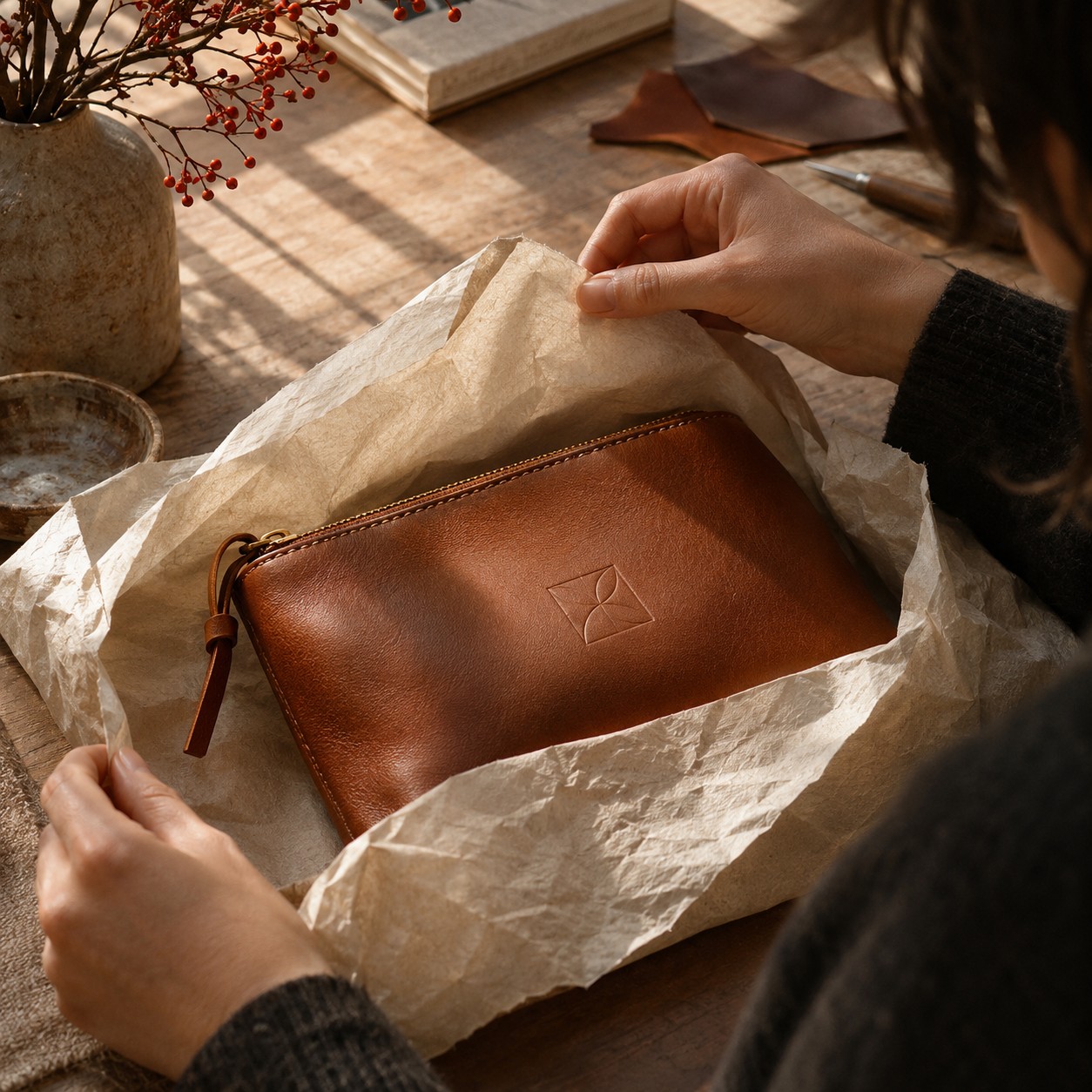
The 2026–2027 Authenticity Forecast: 7 Predictions for Human Craft, Texture and Trust in Brand Design
Read our 2026–2027 Authenticity Forecast: 7 predictions for systemic human craft, calmer interfaces, post-luxury repairability, and AI transparency.
 🔍 COVER PLATE — CLICK TO EXPAND
What a journey we've been on together. Over the past seven episodes, we've watched the design landscape transform before our eyes. We've explored why polished perfection lost its power, discovered how analogue textures became proof of human authorship, and implemented practical solutions across visual identity, photography, and physical spaces. Now, in this final episode, we're looking forward rather than back.
Here's the thing: authenticity is no longer an emerging trend. It's an established expectation. The question now becomes: what evolves next? The strongest brands won't simply adopt aesthetic treatments—they'll build recognisable human systems that demonstrate accountability and genuine craft. This episode provides concrete predictions, identifies which categories will lead the shift, and concludes with a practical preparation checklist you can action immediately.
Let's explore what 2026 and 2027 have in store.
 🔍 PLATE 01 — CLICK TO EXPAND
Plate 01 — Two Generations of Makers Surveying Studio Archive of Prototypes and New Unfinished Design: Plate 01 (Introduction): Reviewing a year of material experimentation and documentary craft to chart the next phase of brand trust across 2026 and 2027.
From Aesthetic to System: Why Surface-Level Authenticity Will No Longer Suffice
The early adopters of authenticity principles often applied them as aesthetic treatments—adding grain, using imperfect typography, or incorporating nostalgic colour palettes. Whilst these visual signals served their purpose initially, consumers are developing increasingly sophisticated detection abilities. They will recognise when authenticity is merely cosmetic.
The most significant evolution we're forecasting is the shift from styling to systematic human presence. What does this mean in practice? The strongest brands in 2026–2027 will create infrastructure for demonstrating human involvement, not just visual signals. This includes creator bylines, documented processes, behind-the-scenes material, attribution of craft, and visible accountability.
Picture this: photographers credited in campaigns, designers acknowledged on packaging, writers identified in content. This isn't vanity—it's the natural extension of broader cultural demands for accountability and the desire to know who made something. We're already seeing this shift across industries, from food provenance to fashion supply chains. Design attribution is simply the next logical step.
Process documentation will become primary content, not supplementary material. Brands will increasingly show the making, the decisions, the drafts, and the people behind finished work. The sketch, the revision, the conversation that shaped the final outcome—these become as valuable as the polished result.
 🔍 PLATE 02 — CLICK TO EXPAND
Plate 02 — Project Lead Archiving Chronological Prototype Iterations While Photographer Documents Assembly: Plate 02 (From Aesthetic to System): Surface-level craft styling gives way to documented, verifiable production systems and chronological process archives.
The Softer Digital Product: Predictions for Calmer Interfaces
We're forecasting a continued retreat from aggressive digital design patterns. The infinite scroll, autoplay videos, notification urgency, and visual overwhelm that characterised the 2010s and early 2020s are losing favour. Calmer digital products will become competitive differentiators, particularly for brands serving fatigued audiences.
Texture integration will become more sophisticated. Rather than decoration, texture will function as elements that signal quality and care. We predict texture becoming part of design systems rather than one-off treatments—consistent, intentional, and meaningful.
What we're calling 'material-led digital design' will gain momentum. Digital products will increasingly reference physical materials in their visual language. Interfaces will feel as though they have weight, surface, and age—borrowing qualities from paper, fabric, and natural materials. Think of the difference between a cold, flat white screen and one that suggests the warmth of unbleached cotton paper.
The 'slow interface' movement deserves particular attention. These are interfaces designed for deliberate use rather than compulsive engagement. It's both ethical design practice and brand differentiation strategy. If you're not already auditing your digital touchpoints for opportunities to introduce calm, texture, and materiality, now's the time to start.
 🔍 PLATE 03 — CLICK TO EXPAND
Plate 03 — Person Using Matte Tablet With Warm Cream Whitespace Interface Beside Linen Curtain and Notebook: Plate 03 (The Softer Digital Product): Digital interfaces adopt warm paper-toned palettes, generous breathing room, and restrained pacing that respect human attention.
Post-Luxury Evolution: The Next Phase of Premium Positioning
As we explored in Episode 5, conspicuous luxury markers are losing cultural relevance among discerning consumers. This shift will accelerate throughout 2026–2027, particularly among younger demographics who associate overt luxury with environmental and social concerns.
Provenance will become the new premium. Traceable origins, named makers, and transparent supply chains will serve as primary luxury signifiers. Premium positioning will depend on demonstrable quality and ethical production rather than price point or logo visibility.
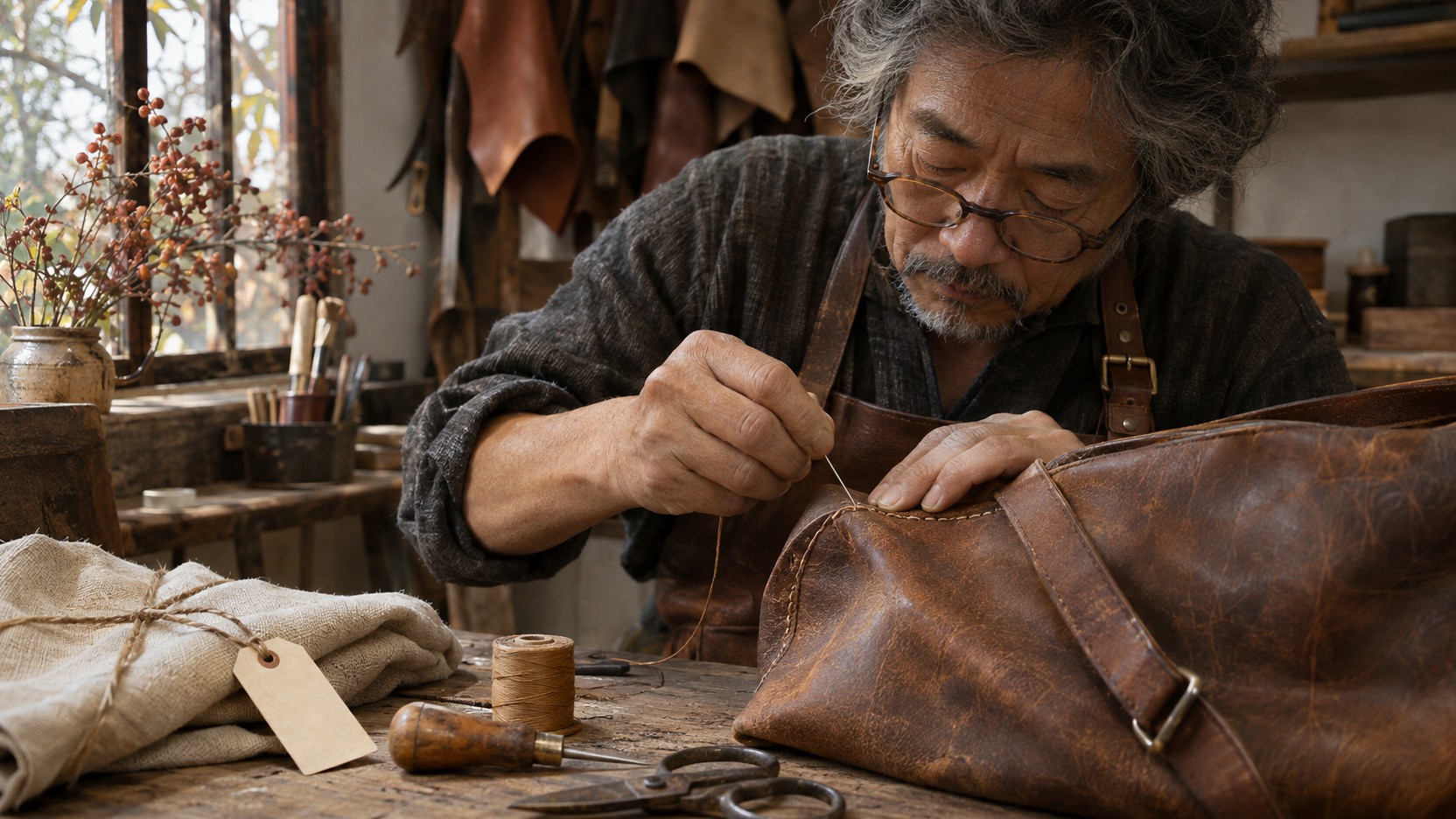
Longevity over novelty represents another crucial shift. Luxury brands will increasingly emphasise durability, repairability, and timelessness—connecting to broader sustainability concerns and the rejection of disposable consumption. The question 'how long will this last?' becomes as important as 'how beautiful is this?'
Perhaps most significantly, these post-luxury principles will filter into mid-market and accessible brands. Consumers across price points will expect provenance, transparency, and material honesty. The democratisation of premium principles means that even budget-conscious buyers will reward brands that demonstrate genuine craft and accountability.
 🔍 PLATE 04 — CLICK TO EXPAND
Plate 04 — Master Leather Artisan Restitching Worn Seam of a Patinated Bag Beside Raw Linen Wrap: Plate 04 (Post-Luxury Evolution): Lifetime repair programmes, honest patina, and traceable maker provenance become the defining benchmarks of 2027 luxury.
AI Transparency: Honesty as Competitive Differentiator
Let's address the elephant in the room. Many brands currently use AI tools without disclosure, creating an environment of uncertainty. Remember the research from Episode 1: 93% of consumers say it matters that a brand's communications feel like they came from a real person, whilst 55% view a brand less favourably once they realise AI produced its creative assets.
Consumer expectations for transparency about AI use will intensify. Audiences will increasingly expect to know whether content was human-created, AI-assisted, or AI-generated. The ambiguity that many brands currently maintain will become untenable.
Here's the opportunity: brands willing to clearly communicate their use (or non-use) of AI tools will build stronger trust. Position honesty about process as more valuable than either hiding AI use or rejecting it entirely. We predict the emergence of explicit 'human-made' or 'human-crafted' positioning as a premium category—creating opportunities for skilled creators and brands invested in genuine craft.
The winning approach? Most brands will use AI tools in some capacity, and that's perfectly fine. What matters is thoughtful disclosure about where human judgement, creativity, and craft remain central. Develop clear policies about AI use and prepare communication strategies for transparency.
 🔍 PLATE 05 — CLICK TO EXPAND
Plate 05 — Creative Director Openly Sharing Digital Exploration Alongside Handmade Prototypes With Client: Plate 05 (AI Transparency): Openly disclosing where computational tools assist research—and where human craft and judgement lead—turns honesty into a competitive moat.
Categories to Watch: Industry Leaders and Laggards
Certain industries will lead this shift whilst others resist. Understanding where your sector sits helps identify differentiation opportunities.
Categories leading the shift:
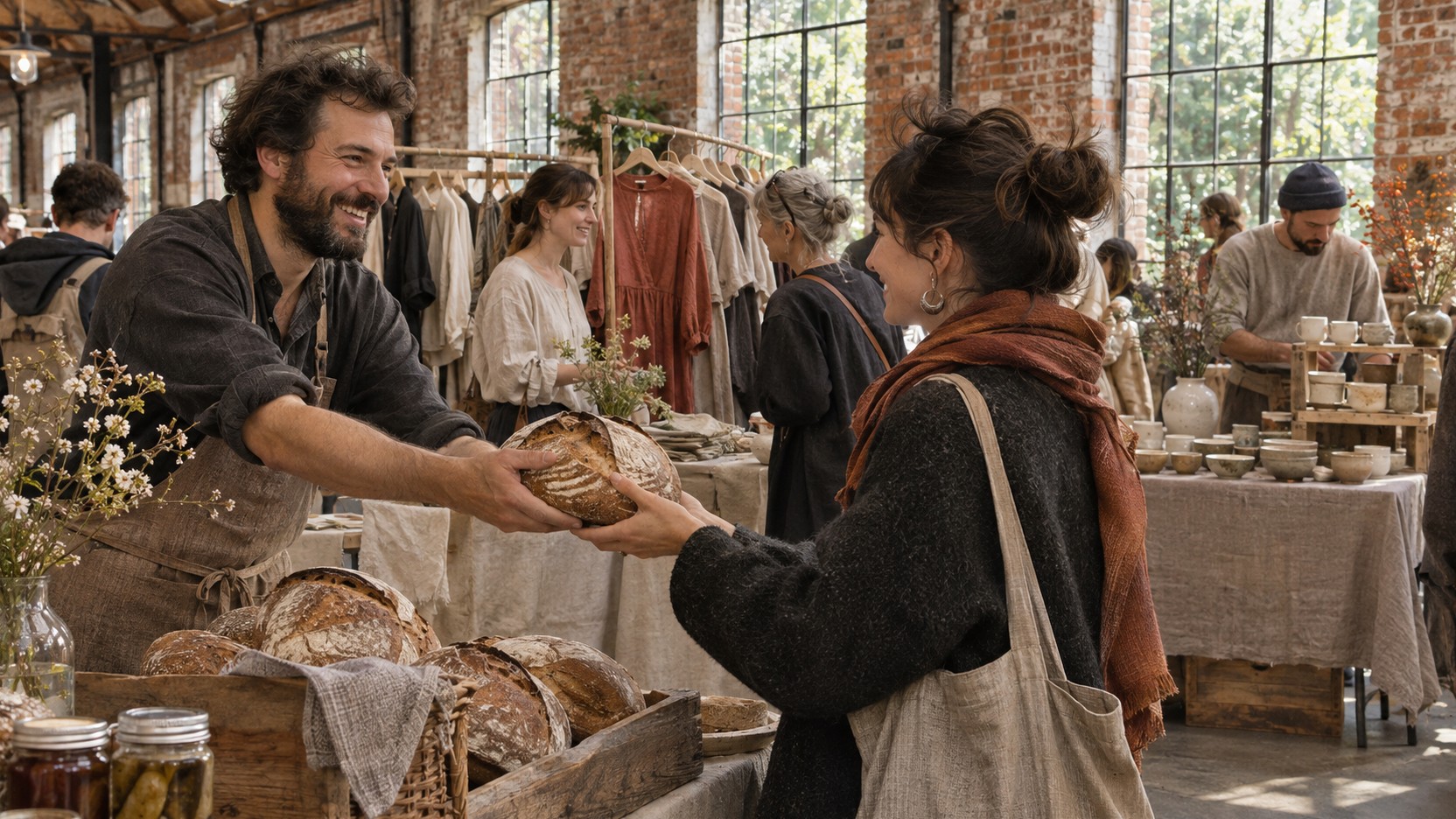
- Hospitality and travel are already moving toward documentary imagery, local provenance, and experiential authenticity
- Independent food and drink brands have natural alignment with craft narratives, material packaging, and maker stories
- Beauty and wellness face growing consumer demand for ingredient transparency, real results, and diverse representation
- Independent and mid-market fashion brands are driven by sustainability pressures toward transparency and craft positioning
- Creative services and agencies face professional necessity to demonstrate human value proposition
Categories likely to resist:
- Corporate technology may find efficiency narratives conflict with authenticity principles
- Fast fashion and disposable consumer goods operate on business models built on opposite values
- Financial services maintain conservative communication cultures resistant to informal authenticity signals
Categories with mixed trajectories:
- Retail shows physical spaces moving quickly whilst e-commerce platforms adapt more slowly
- Publishing and media demonstrate editorial authenticity growing whilst advertising often lags
- Healthcare faces tension between clinical accuracy requirements and informal authenticity
 🔍 PLATE 06 — CLICK TO EXPAND
Plate 06 — Customers Meeting Independent Food, Linen Apparel, and Ceramic Makers in Brick Market Hall: Plate 06 (Categories to Watch): Food, natural beauty, independent fashion, and homeware lead the shift toward verifiable human provenance, pressuring corporate laggards.
The Accountability Imperative: Specific, Made, and Accountable
Three qualities will define successful brand communication in 2026–2027. Think of them as a simple test you can apply to any piece of work.
Specific means generic claims lose all credibility. Successful brands make particular, verifiable statements rather than broad assertions. Name it, date it, locate it, quantify it. 'Sustainably sourced' means nothing; 'linen grown in Normandy, woven in Belfast, 2024 harvest' means everything.
Made means visible evidence of making becomes essential. Brands must show process, materials, decisions, and craft. This connects directly to the human systems discussed earlier—documenting the journey from concept to completion.
Accountable means anonymous brand communication feels increasingly suspect. Named people, traceable decisions, and clear responsibility build trust. This connects to broader cultural demands for corporate and institutional accountability.
Apply this test to your next campaign: Is it specific? Does it show it was made? Is someone accountable for it?
 🔍 PLATE 07 — CLICK TO EXPAND
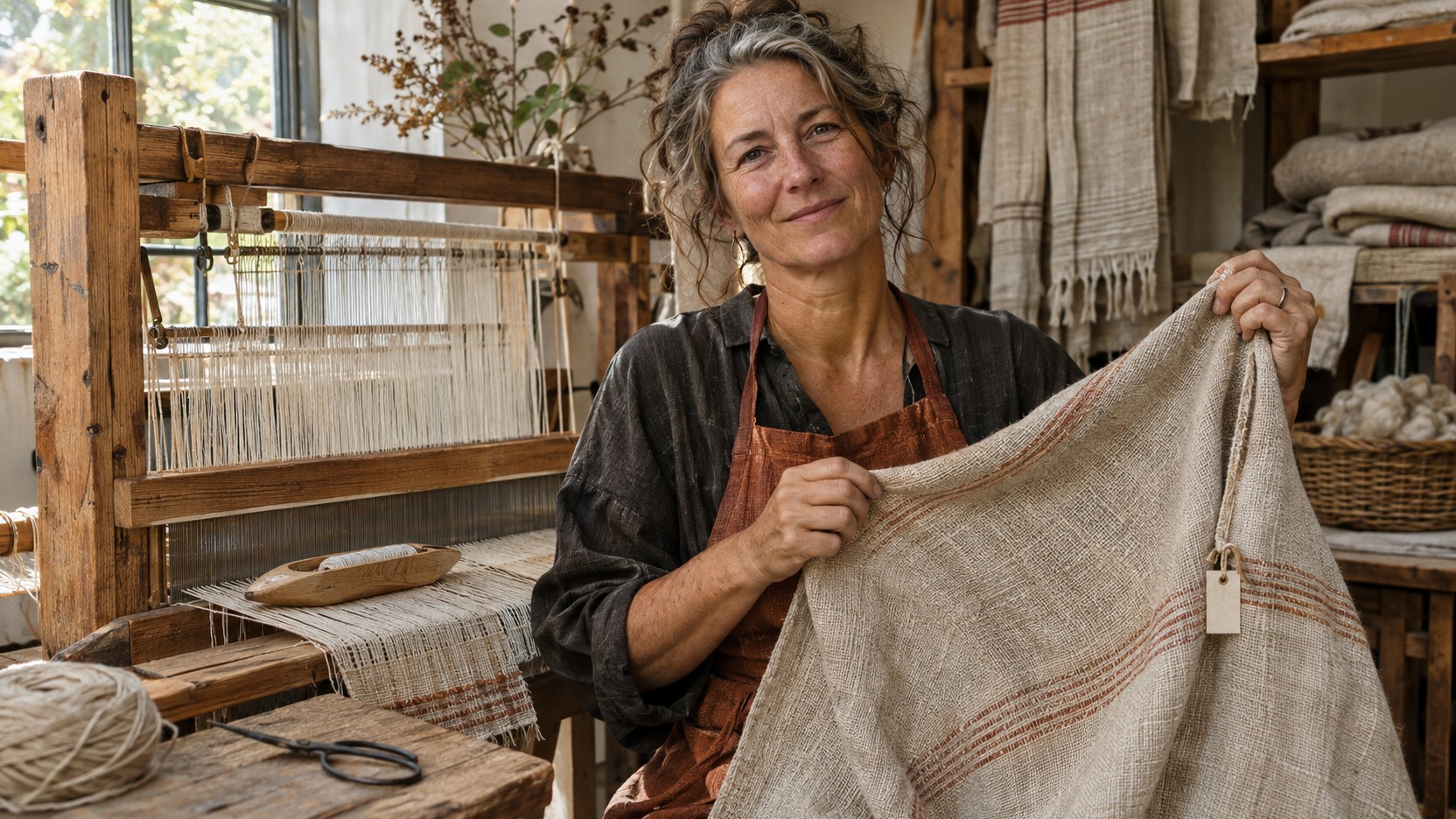
Plate 07 — Environmental Portrait of Textile Weaver Holding Finished Handwoven Linen Beside Wooden Loom: Plate 07 (The Accountability Imperative): Specific, made, and accountable—showing the real person, loom, and natural fibre behind every finished piece.
Your Practical Preparation Checklist
Let's get actionable. Here's what to prioritise now:
1. Audit current AI usage and develop disclosure policy
Assess where AI tools are currently used in content creation. Determine your transparency approach. Prepare clear communication about human oversight and creative direction.
2. Build documentation infrastructure
Create systems for capturing process, decision-making, and behind-the-scenes material. Establish protocols for photographing workspaces, materials, and people. Develop content calendars that include process documentation alongside finished work.
3. Identify and acknowledge your makers
List the human creators involved in brand production. Develop attribution standards for external acknowledgement. Create opportunities for maker stories and creator spotlights.
4. Develop original texture and material libraries
Reference Episode 6's guidance on creating authentic texture assets. Prioritise unique materials over generic purchased effects. Ensure connection between textures and genuine brand story.
5. Assess digital touchpoints for calm and materiality
Review website, apps, and digital communications for opportunities. Identify attention-grabbing patterns that could be softened. Consider material-inspired design elements.
6. Establish provenance documentation
Create systems for tracking and communicating material origins. Develop supplier relationships that support transparency narratives. Prepare verification methods for provenance claims.
7. Train teams on authenticity principles
Ensure consistent understanding across marketing, design, and content teams. Establish guidelines for distinguishing genuine from superficial authenticity. Create review processes that include authenticity considerations.
Start with documentation infrastructure and AI disclosure policy as your foundation.
 🔍 PLATE 08 — CLICK TO EXPAND
Plate 08 — Overhead View of Two Colleagues Sorting Process Photos, Material Swatches, and Archive Notes: Plate 08 (Practical Preparation Checklist): Organising documentary assets, material provenance records, and AI disclosure guidelines for the 2026–2027 brand cycle.
The Enduring Question: Does This Feel Made by Someone?
We've arrived at the heart of everything this series has explored. The old question—'Does this look professional?'—has become insufficient. Professional polish is now cheap and ubiquitous, removing its value as a quality signal.
The new guiding question is this: Does this feel made by someone?
This question evaluates human presence, genuine process, accountability, and emotional truth. Apply it across photography, copy, design, packaging, digital experiences—it works everywhere. The question creates space for imperfection whilst maintaining standards for craft and care.
'Made by someone' implies care, intention, and responsibility. It connects to our fundamental human desire for connection with other humans, even through commercial transactions. When we sense that a real person made choices, took care, and stands behind the work, we trust it. When we sense automated production, we scroll past.
This brings us full circle to Episode 1's exploration of why technical perfection lost its power. The landscape has shifted fundamentally. Brands that continue prioritising polish over presence will find themselves increasingly ignored by audiences who have learned to distrust synthetic smoothness.
The winning approach combines thoughtful imperfection with real materials, honest process, emotional presence, and restraint that lets the story show through. This isn't about abandoning standards—it's about redirecting craft toward demonstrating human authorship.
Your immediate action? Audit your current brand materials using the 'Does this feel made by someone?' question. Identify one touchpoint where human presence could be strengthened. Begin building the documentation infrastructure that will support authentic communication in the years ahead.
The future belongs to those who prove they're human.
⚡ 5 Strategies to Consider
STUDIO PLAYBOOK // 5 DIRECTIVES❓ Frequently Asked Questions — 5 Q&As (5 Q&As)
SCHEMA.ORG/FAQPAGE // 5 Q&As (5 Q&As)Q1. Will the authenticity trend reverse as AI becomes more accepted and normalised?
Rather than reversing, normalisation of AI will likely intensify demand for human-made alternatives. We can draw parallels with other technological advances that created premium markets for traditional approaches—craft beer emerged alongside industrial brewing, vinyl records experienced revival despite streaming dominance, and handmade goods command premiums in an age of mass production. Acceptance of AI will clarify rather than eliminate the distinction between human and machine creation, making authentic human craft more valuable, not less.
Q2. How can brands balance authenticity principles with the practical need for efficiency and scale?
The key is concentrating authenticity in high-value touchpoints rather than applying it universally. Identify which elements of your brand experience most benefit from human craft—hero imagery, key messaging, premium packaging—and which can appropriately use efficient tools for supporting materials. The goal is thoughtful deployment rather than wholesale rejection of efficient methods. Most successful brands will use AI tools in some capacity; what matters is maintaining human judgement and creativity where it counts most.
Q3. What metrics should brands track to measure whether authenticity strategies are actually working?
Focus on engagement depth over volume, examining how long people spend with content rather than just impressions. Track audience sentiment analysis through comments and feedback quality, conduct brand trust surveys, and monitor customer retention and lifetime value rather than just acquisition. Organic sharing and recommendation rates indicate genuine connection, as does the quality of feedback you receive. Be cautious about over-relying on vanity metrics like follower counts that may not capture authenticity's impact on genuine connection.
Q4. What does 'human systems' mean in practical terms for brand communication?
Human systems refer to the infrastructure brands create for demonstrating genuine human involvement throughout their communications. This includes creator bylines that acknowledge specific people, documented processes showing how work was made, behind-the-scenes material revealing decisions and drafts, attribution of craft to individuals, and visible accountability where named people stand behind the work. It moves beyond aesthetic styling toward systematic proof of human authorship.
Q5. Which industries are best positioned to lead the authenticity shift in 2026-2027?
Hospitality, travel, independent food and drink, beauty and wellness, independent fashion, and creative services are leading the shift. These sectors have natural alignment with craft narratives, face consumer pressure for transparency, or have professional necessity to demonstrate human value. Corporate technology, fast fashion, and traditional financial services are more likely to resist due to efficiency-focused business models or conservative communication cultures.
EXPLORE RELATED STUDIO TAGS (10):
Glad this piece sparked something — want the matching 4096×4096px .ZIP pack?
Enter your email below for an instant direct download of Studio Seamless Pattern Pack — Drop 01 (WPAY_DROP01.zip) plus new Studio Journal essays & free drops.