The Authenticity Imperative: Why Human Design Is Reclaiming Brand Trust in 2026
Explore our 8-part 2026 series on why human craft, analogue texture, documentary photography, and tactile design are reclaiming brand trust in an AI era.
 🔍 COVER PLATE — CLICK TO EXPAND
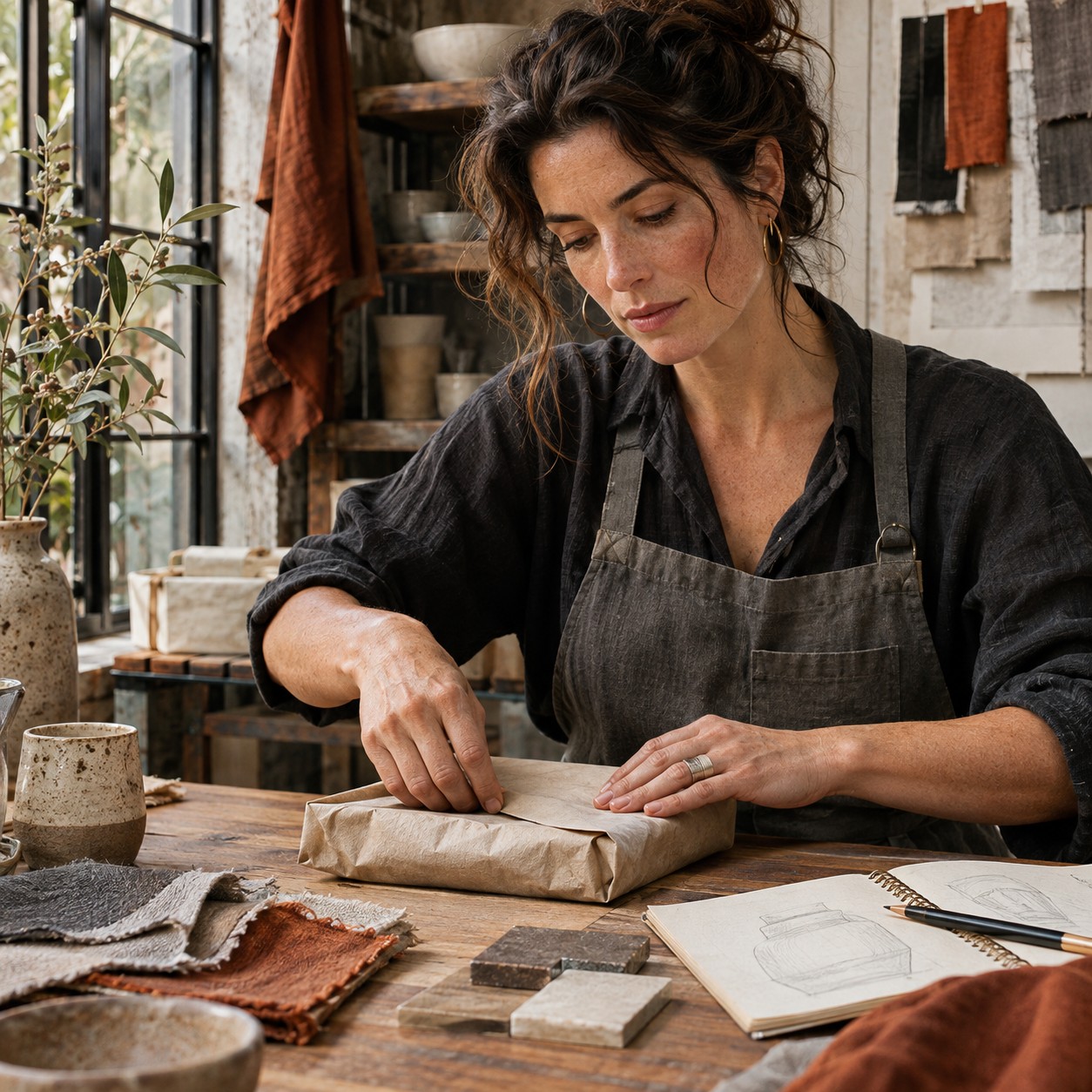
As artificial intelligence floods every digital channel with effortless, polished imagery and frictionless copy, the traditional markers of brand credibility have inverted. For decades, commercial design operated on a simple assumption: polish equalled professionalism, and professionalism earned consumer trust. In 2026, when anyone can generate flawless visuals in seconds, perfection no longer signals investment, competence, or care—it triggers consumer scepticism. Across packaging, print, commercial photography, digital product interfaces, and interior architecture, audiences are actively seeking visible evidence that a real, accountable human being made decisions and stood behind the work.
This eight-part editorial series, The Authenticity Imperative: Why Human Design Is Reclaiming Brand Trust in 2026, examines the structural shift from manufactured perfection to demonstrable human presence. Across eight deep-dive episodes, we explore five converging forces reshaping contemporary brand strategy: the collapse of polished sameness as a trust signal, the rise of analogue textures and visible craft process, the tactile rebellion against glass-screen sensory exhaustion, the documentary revolution in commercial photography, and the evolution of post-luxury restraint and tech-light interior sanctuaries.
 🔍 PLATE 01 — CLICK TO EXPAND
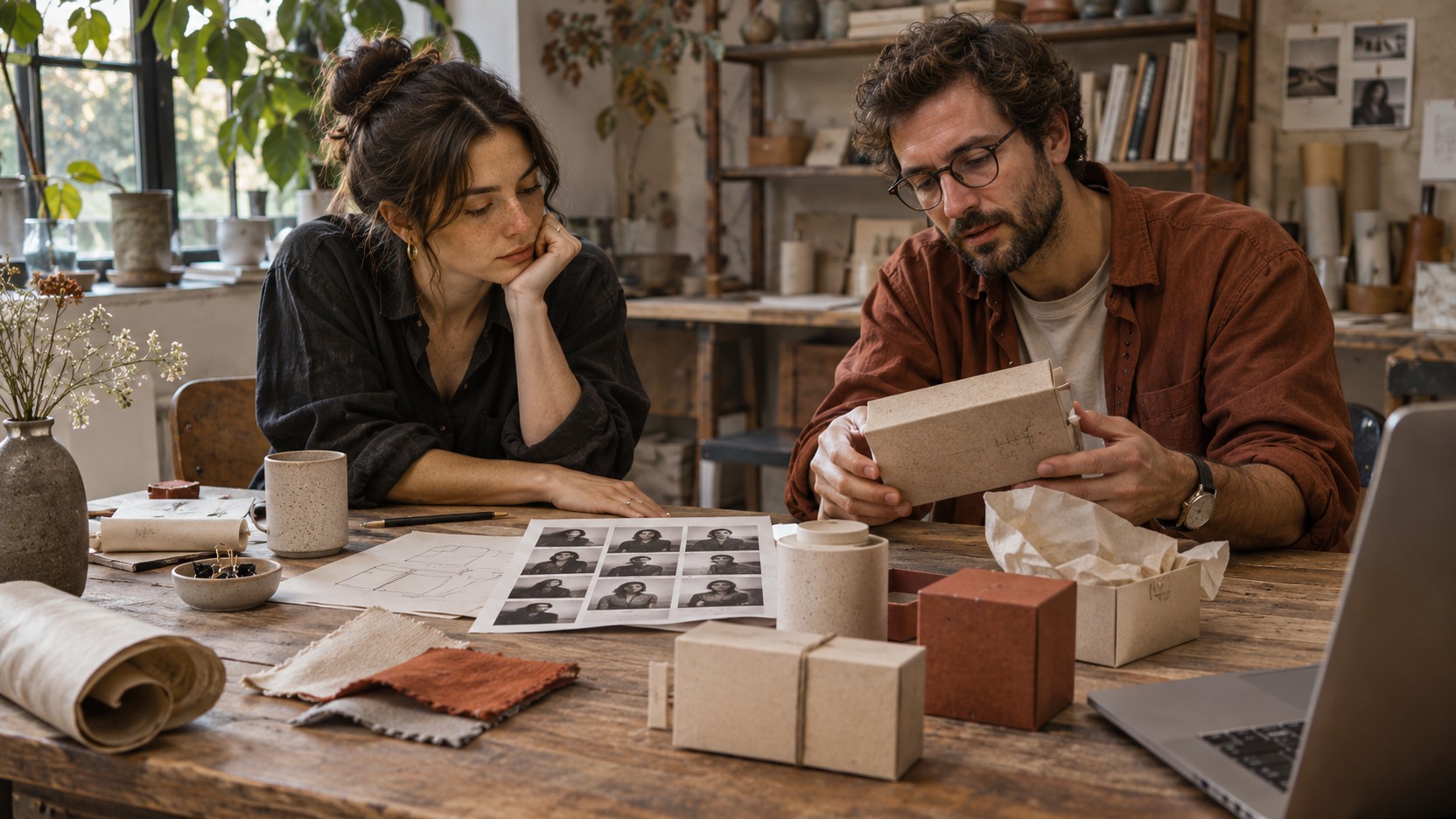
Plate 01 — Designers Reviewing Handmade Paper Proofs, Ceramic Vessels, and Contact Sheets on Oak Table: Plate 01 (Series Introduction): Multidisciplinary creative team comparing physical paper proofs, linen swatches, and documentary contact prints in a naturally lit craft studio.
Episode 1: The Trust Crisis — Why Polished Perfection Is Losing Power
Episode 1 investigates the foundational paradox of contemporary branding: why the smoother and more flawless a brand appears in 2026, the less audiences trust it. As generative AI drives the marginal cost of visual polish toward zero, symmetry and stock-perfect smoothness have shifted from high-cost signals of organizational capability to warning signs of synthetic distance. We examine the psychology of consumer detection instincts, why human brains are calibrated to seek irregularity and authorship, and how visible human judgement has become the new currency of commercial credibility.
Read Episode 1: The Trust Crisis: Why Polished Perfection Is Losing Its Power in 2026 →
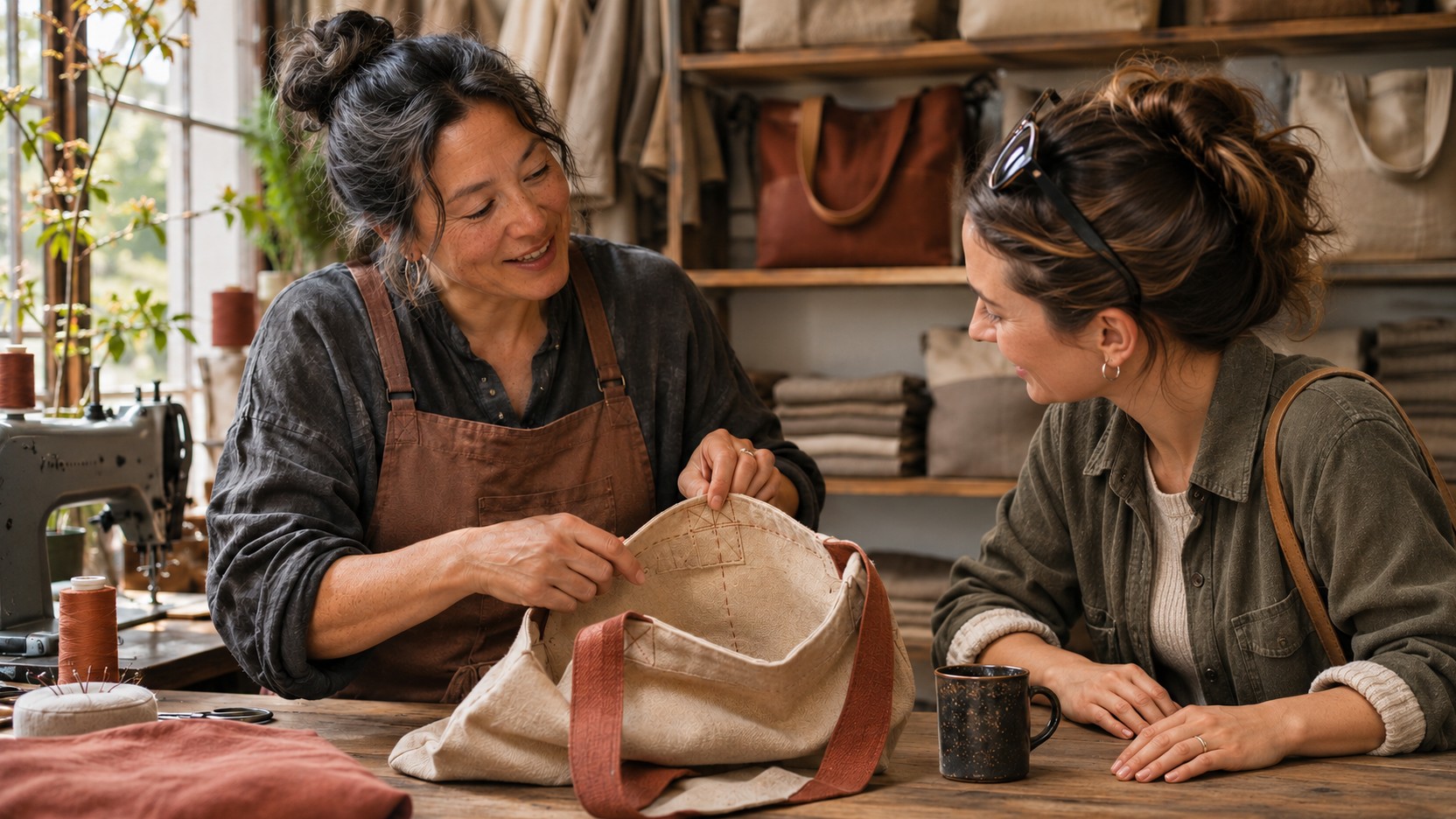 🔍 PLATE 02 — CLICK TO EXPAND
Plate 02 — Episode 1 Preview — Art Director Choosing Handmade Sketch Over Glossy AI Screen Render: Plate 02 (Episode 1 Preview): A designer bypasses a sterile, hyper-polished screen render in favour of a tactile hand-drawn study on deckled paper, illustrating the shift from polish to authorship.
Episode 2: Beyond the Filter — Analogue Textures as Brand Trust Signals
Episode 2 explores the resurgent visual vocabulary of human presence across graphic design and brand identity. From 35mm film grain, letterpress debossing, and risograph ink variation to visible pencil construction lines, hand-cut collage edges, and raw uncoated paper stocks, physical process marks introduce productive visual friction that slows the scroll and rewards close inspection. Crucially, we establish the strategic boundary between decorative digital distress filters that audiences quickly see through and authentic material textures rooted in real production stories.
Read Episode 2: Beyond the Filter: Why Analogue Textures Are Becoming Brand Trust Signals in 2026 →
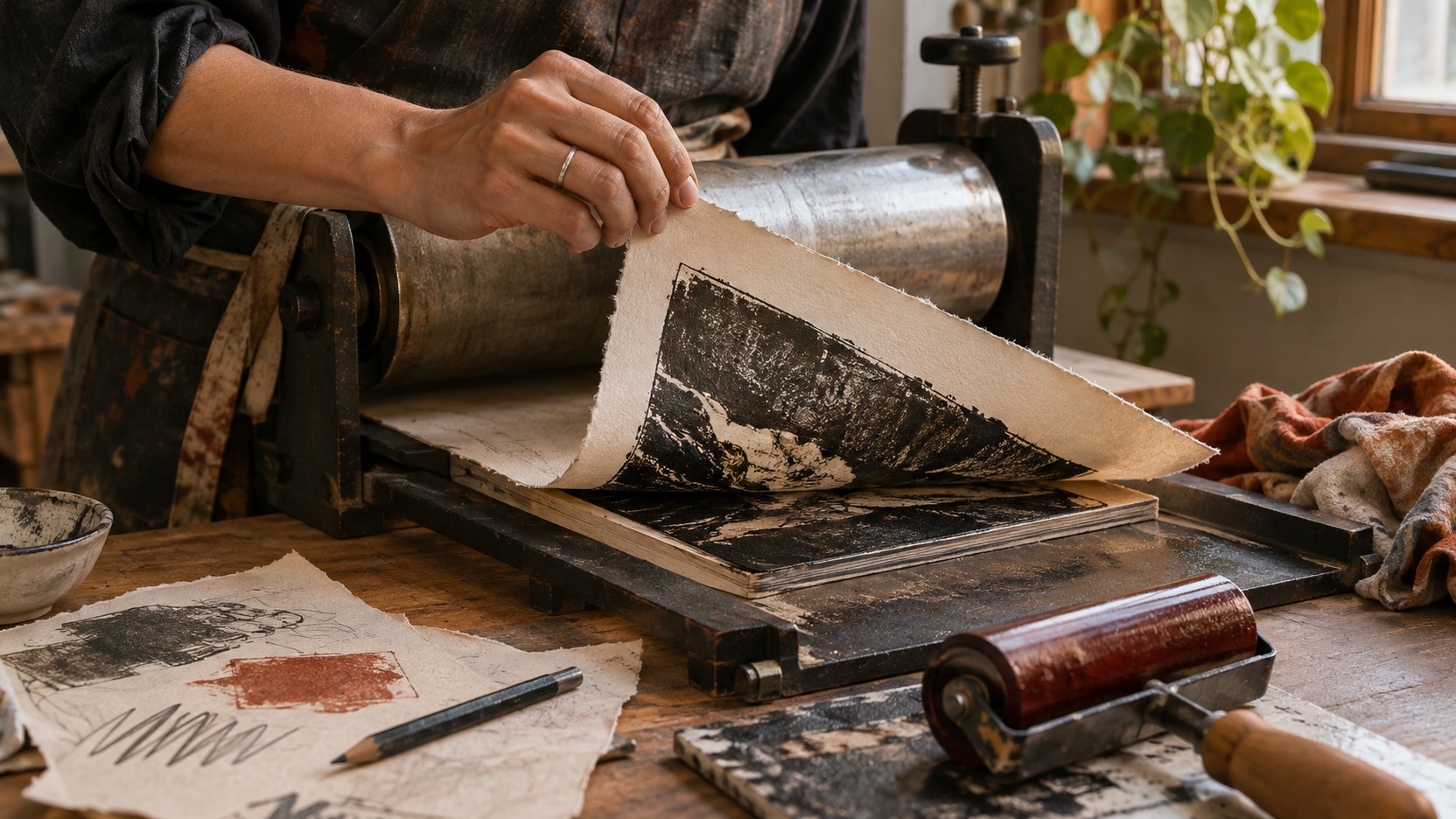 🔍 PLATE 03 — CLICK TO EXPAND
Plate 03 — Episode 2 Preview — Printmaker Inspecting Freshly Pulled Block Print on Unbleached Cotton Paper: Plate 03 (Episode 2 Preview): Close documentary view of a printmaker pulling an organic rust and charcoal impression on heavy cotton rag paper, revealing genuine ink transfer and fibre grain.
Episode 3: Screen Fatigue Is Real — Touch, Texture and Tactile Design
Episode 3 examines the neurological and emotional toll of living behind uniform glass touchscreens—and why physical touch has become one of the highest-converting differentiators in modern commerce. Drawing on haptic psychology and material taxonomy, we analyse how heavy uncoated lookbooks, blind-debossed cotton packaging, slubbed linen, raw timber, and honed stone create enduring memory encoding that pixels cannot replicate, while also exploring how digital product designers are translating matte material calmness back onto the screen.
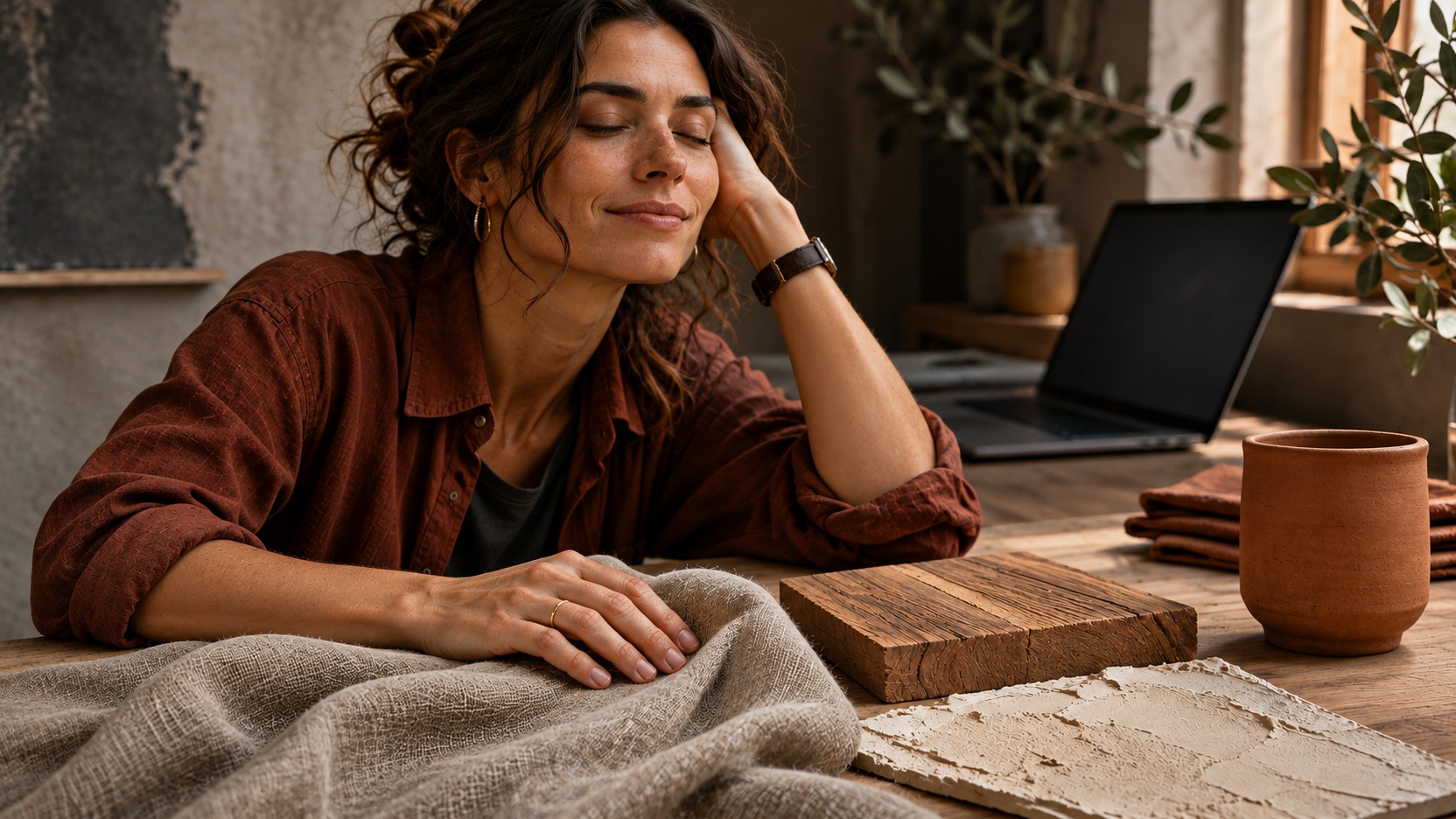 🔍 PLATE 04 — CLICK TO EXPAND
Plate 04 — Episode 3 Preview — Hand Resting on Coarse Linen and Raw Ceramic Beside Face-Down Smartphone: Plate 04 (Episode 3 Preview): Tactile relief from glass screens as fingertips explore coarse unbleached linen, honed stone, and raw ceramic beside a silenced, face-down phone.
Episode 4: Ditching Perfect Photography — The Raw Documentary Shift
Episode 4 chronicles the collapse of airbrushed studio perfection in favour of intimate, observational documentary photography. Commercial art buyers and independent studios are replacing hyper-retouched lifestyle shoots with direct flash, deep natural shadows, motion blur, unscripted mid-sentence gestures, mature lined faces, and diverse body types in lived-in environments. We outline a rigorous creative direction framework for capturing unvarnished human truth while preserving brand coherence and strategic intent.
Read Episode 4: Why Brands Are Ditching Perfect Photography: The Raw, Real Revolution in 2026 →
 🔍 PLATE 05 — CLICK TO EXPAND
Plate 05 — Episode 4 Preview — Documentary Photographer Capturing Candid Artisan Moment in Natural Light: Plate 05 (Episode 4 Preview): Observational documentary photography in action, capturing spontaneous human connection, natural skin texture, and lived-in workshop atmosphere.
Episode 5: The Post-Luxury Movement — Why Quality No Longer Shouts
Episode 5 dissects the cultural migration away from ostentatious logos, metallic foils, and theatrical unboxing toward quiet material excellence and verifiable provenance. In the post-luxury economy, discerning buyers evaluate hand-stitched seams, vegetable-tanned leather patina, unbleached cotton wraps, repairability, and direct maker accountability rather than status symbols. We show how visual restraint and radical specificity signal deep confidence across fashion, craft goods, and independent retail.
Read Episode 5: The Post-Luxury Movement: Why Quality No Longer Needs to Shout in 2026 →
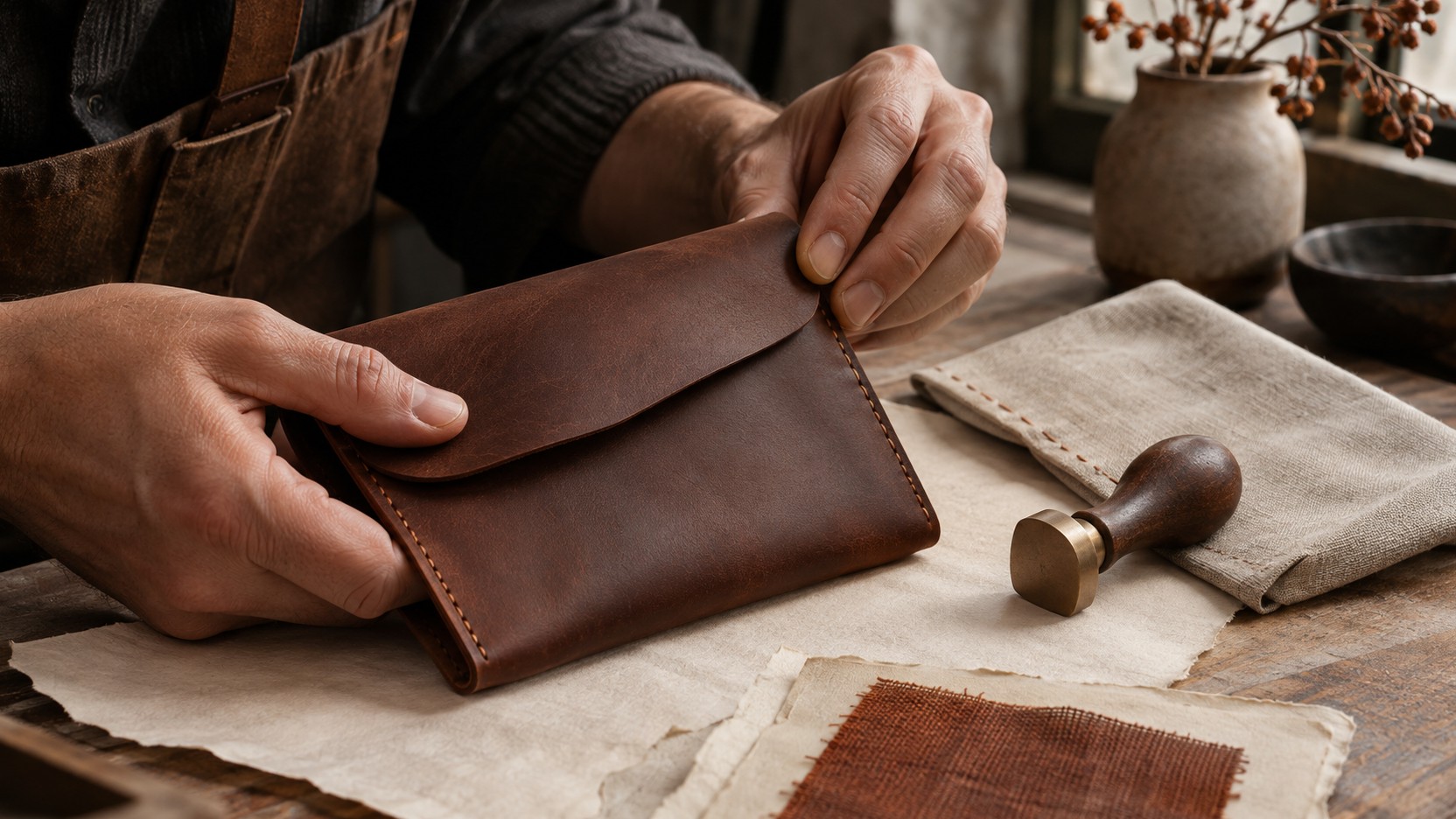 🔍 PLATE 06 — CLICK TO EXPAND
Plate 06 — Episode 5 Preview — Unbranded Hand-Stitched Leather Goods and Blind-Debossed Cotton Packaging: Plate 06 (Episode 5 Preview): Post-luxury material restraint shown through saddle-stitched natural leather, unbleached cotton packaging, and subtle blind debossing without ostentatious logos.
Episode 6: Tech-Light Living — 7 Interior Sanctuaries From Overwhelm
Episode 6 steps inside the residential, workplace, and boutique hospitality spaces leading the counter-response to always-on connectivity. Rather than showcasing cold smart-home displays, interior architects in 2026 are concealing screens behind sliding oak joinery, layering lime plaster, bouclé wool, and raw timber for acoustic warmth, and choreographing low-glare grazing illumination that invites touch and nervous-system recovery.
Read Episode 6: Tech-Light Living: 7 Ways Interior Design Is Creating Sanctuaries in 2026 →
 🔍 PLATE 07 — CLICK TO EXPAND
Plate 07 — Episode 6 Preview — Calm Screen-Free Living Sanctuary With Lime Plaster, Oak, and Linen Seating: Plate 07 (Episode 6 Preview): A restful screen-free residential corner layered with limewash plaster, heavy woven linen, warm oak timber, and soft natural daylight.
Episode 7: Intentional Imperfection — A 5-Step Authenticity Audit
Episode 7 translates the series' cultural and visual insights into an actionable operational playbook. Because strategic imperfection demands greater creative rigour than hiding behind stock templates, we walk through a five-step Authenticity Audit: diagnosing synthetic sameness across touchpoints, revealing real making processes, replacing decorative grain with purposeful material choices, upgrading to documentary imagery, and building internal creative capabilities measured by long-term trust metrics.
Read Episode 7: The Intentional Imperfection Strategy: A 5-Step Authenticity Audit in 2026 →
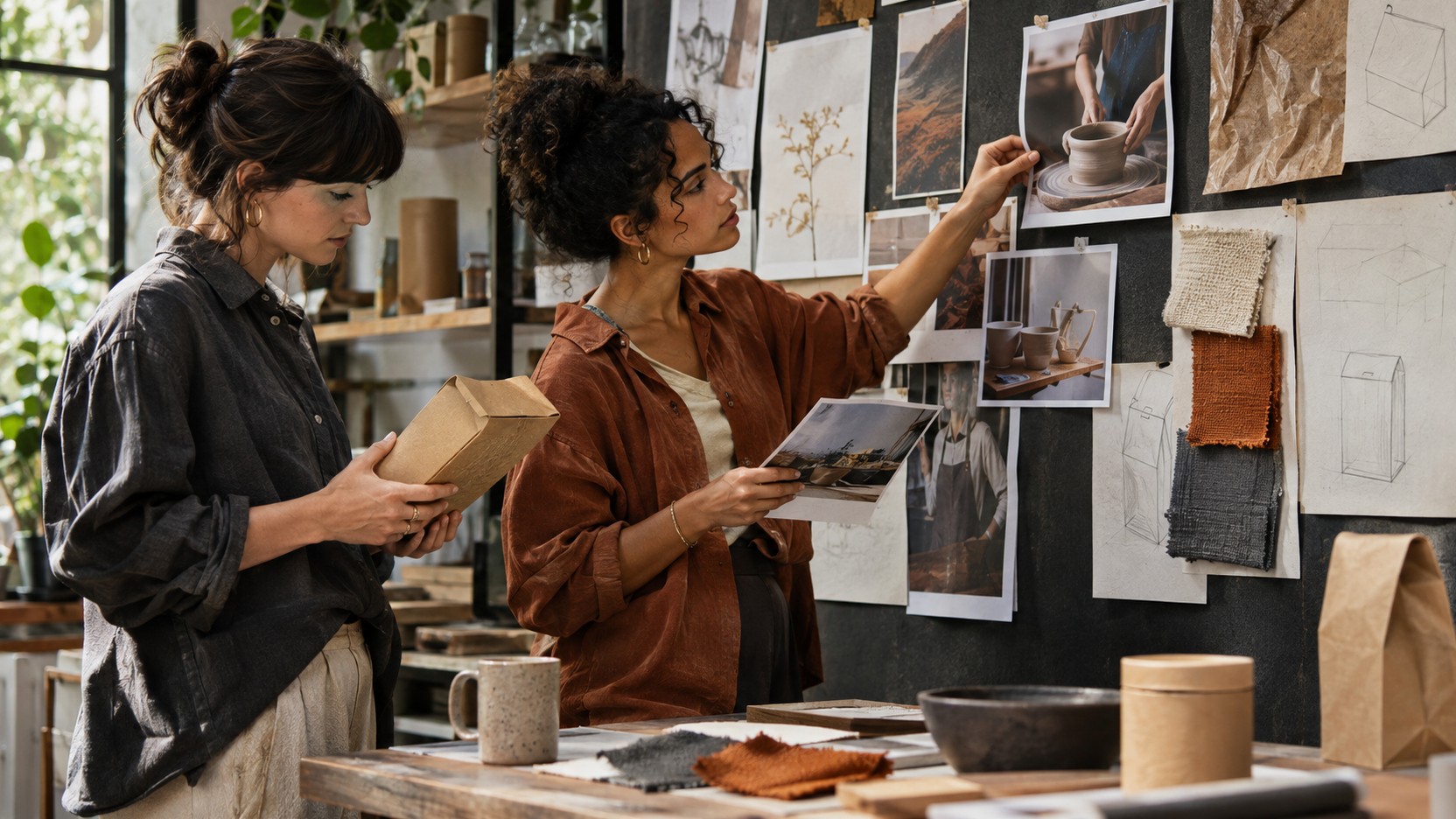 🔍 PLATE 08 — CLICK TO EXPAND
Plate 08 — Episode 7 Preview — Creative Team Conducting a Five-Step Physical Brand Touchpoint Audit: Plate 08 (Episode 7 Preview): Brand strategists and makers conducting a structured five-step authenticity audit across physical packaging, material swatches, and documentary photography.
Episode 8: The 2026–2027 Authenticity Forecast — 7 Brand Predictions
Episode 8 concludes the series by looking ahead to how the authenticity movement will mature across 2026 and 2027. As surface-level craft aesthetics become easy to imitate, leadership will shift from visual style to systemic accountability: calmer, paper-inspired digital interfaces, repair-first luxury provenance, radical AI workflow transparency, and a decisive competitive advantage for brands that can answer one enduring question—does this feel genuinely made by someone who cares?
Read Episode 8: The 2026–2027 Authenticity Forecast: 7 Predictions for Brand Design →
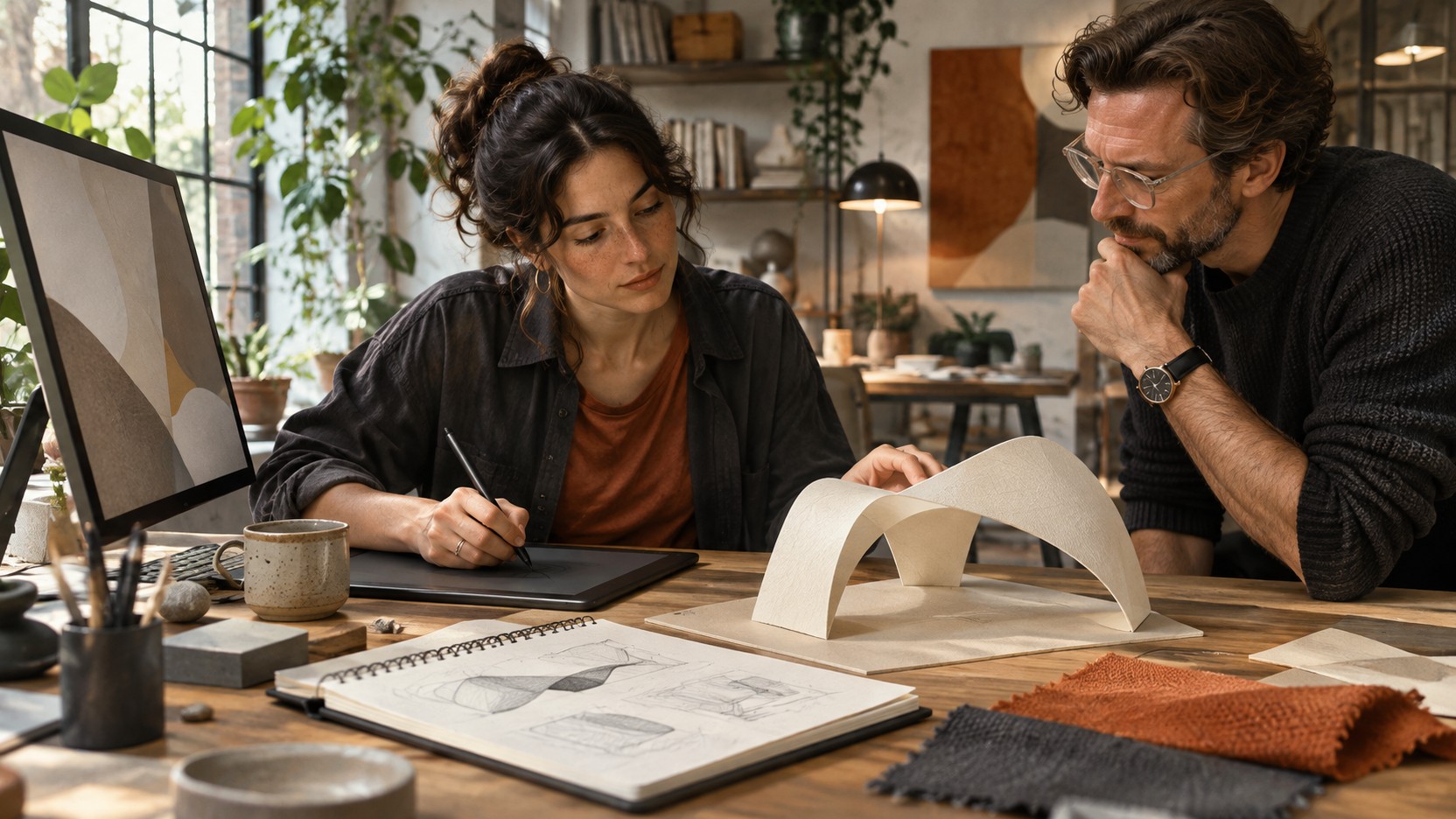 🔍 PLATE 09 — CLICK TO EXPAND
Plate 09 — Episode 8 Preview — Senior Craft Maker and Digital Designer Reviewing 2027 Prototypes Together: Plate 09 (Episode 8 Preview): Cross-generational studio collaboration uniting tangible craft provenance with calm, transparent digital workflows for the 2026–2027 design landscape.
Explore All 8 Episodes of The Authenticity Imperative (2026)
Jump directly to any episode in this 8-part series examining why human craft, analogue texture, tactile materials, documentary photography, post-luxury restraint, and tech-light interiors are reclaiming brand trust in 2026.
Episode 01 of 08Read Episode →The Trust Crisis: Why Polished Perfection Is Losing Its Power in 2026 Episode 02 of 08Read Episode →Beyond the Filter: Why Analogue Textures Are Becoming Brand Trust Signals in 2026 Episode 03 of 08Read Episode →Screen Fatigue Is Real: Why Brands Are Betting on Touch, Texture and Tactile Design in 2026 Episode 04 of 08Read Episode →Why Brands Are Ditching Perfect Photography: The Raw, Real Revolution Transforming Commercial Imagery in 2026 Episode 05 of 08Read Episode →The Post-Luxury Movement: Why Quality No Longer Needs to Shout in 2026 Episode 06 of 08Read Episode →Tech-Light Living: 7 Ways Interior Design Is Creating Sanctuaries From Digital Overwhelm in 2026 Episode 07 of 08Read Episode →The Intentional Imperfection Strategy: A 5-Step Authenticity Audit to Transform Your Brand in 2026 Episode 08 of 08Read Episode →The 2026–2027 Authenticity Forecast: 7 Predictions for Human Craft, Texture and Trust in Brand Design⚡ 5 Strategies to Consider
STUDIO PLAYBOOK // 5 DIRECTIVES❓ Frequently Asked Questions — 5 Q&As (5 Q&As)
SCHEMA.ORG/FAQPAGE // 5 Q&As (5 Q&As)Q1. Is the shift toward authenticity just another design trend that will eventually pass?
No, this represents a structural change rather than a surface aesthetic trend. Whilst specific visual expressions may evolve over time, the underlying demand for human evidence is likely permanent because it stems from rational consumer adaptation to a fundamentally changed media environment where AI has made technical perfection universally accessible and therefore meaningless as a trust signal.
Q2. Does this mean AI has no place in brand communications anymore?
Not at all. AI remains valuable for many applications in brand communications. However, its use now requires transparency and strategic integration with genuine human authorship. The key is honest disclosure about creation methods and ensuring that human creativity and decision-making remain visibly present in the final output.
Q3. How quickly is this consumer shift toward authenticity actually happening?
Consumer instincts for detecting synthetic content are developing remarkably rapidly, making this an urgent consideration rather than a distant future concern. Research shows that 93% of consumers already say it matters that brand communications feel like they came from a real person, and 55% view brands less favourably once they discover AI produced their content.
Q4. What industries are most affected by this trust crisis?
Any industry where trust is important to purchase decisions faces these dynamics, which effectively means most industries. The specific manifestations vary by sector, but the fundamental shift from evaluating professionalism to detecting authenticity applies wherever consumers make trust-based decisions about brands and their communications.
Q5. Can small brands compete if authenticity requires more human effort?
Smaller brands often have natural advantages in demonstrating human authorship because their scale inherently creates more visible personal involvement. The founder who personally responds to customers, the artisan who shares their creative process, the small team whose personalities shine through—these authentic signals are easier to communicate at smaller scales.
EXPLORE RELATED STUDIO TAGS (2):
Glad this piece sparked something — want the matching 4096×4096px .ZIP pack?
Enter your email below for an instant direct download of Studio Seamless Pattern Pack — Drop 01 (WPAY_DROP01.zip) plus new Studio Journal essays & free drops.